The Fitness Creator Economy: How Creators Build Audiences in 2026
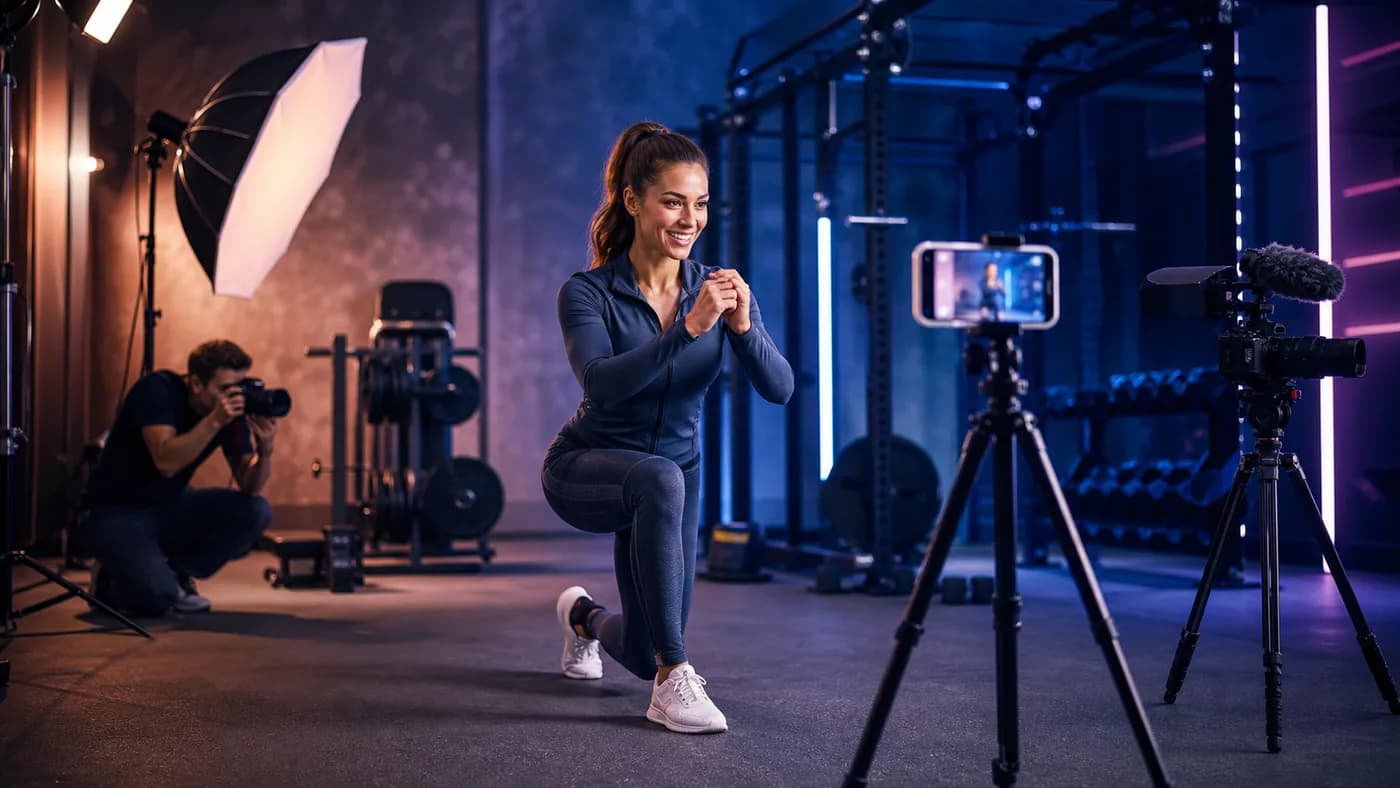
The fitness creator economy includes the athletes, coaches, models, educators and wellness personalities who build audiences around training, movement, physique, sport and healthy-lifestyle content. Their work can combine publishing, community management, creative production, partnerships and paid services.
This is broader than fitness influencing. A creator may publish free educational videos, sell a structured training product, work with brands, produce an athletic portfolio and maintain a membership community at the same time. The business works when those activities support a recognizable identity and a clearly defined audience.
For brands and audiences, follower count alone says very little about whether a fitness creator is relevant or trustworthy. Discipline, format, audience needs, consistency and the quality of the creator's public information matter more.
What is the fitness creator economy?
The fitness creator economy is the market built around independent fitness-focused publishers and their direct relationships with audiences. It includes creators working in strength training, bodybuilding, running, yoga, mobility, combat sports, dance, outdoor activity, athletic fashion, wellness and many smaller specialties.
Some creators primarily educate. Others document a personal journey, produce entertainment or visual portfolios, lead communities, review equipment or create content for brands. Many combine several roles.
The important distinction is ownership. Creators can establish an audience and public identity that travels across platforms instead of depending entirely on one magazine, agency, gym or social network.
How fitness modeling changed
Traditional fitness modeling often centered on magazine features, competitions, agency portfolios and brand campaigns. Those channels still exist, but they capture only part of a creator's work.
A maintained digital profile can show training phases, competition preparation, fashion campaigns, educational material and creative collaborations over time. It can also explain context that a single image cannot provide: the creator's discipline, experience, language, location and the purpose of each public channel.
This ongoing format creates opportunity, but it also places more responsibility on the creator. Names, biographies, claims and destinations must remain consistent enough for audiences and search engines to understand that they belong to the same person.
Common fitness creator business models
There is no single revenue model. The right combination depends on expertise, audience expectations, production skills and the amount of direct support a creator can realistically provide.
Brand partnerships and sponsored content
Fitness creators may work with apparel, equipment, food, event, travel or technology companies. Strong partnerships usually depend on audience relevance and the creator's ability to explain or demonstrate a product naturally.
Paid relationships should be disclosed clearly. The US Federal Trade Commission publishes practical guidance for social media disclosures, and creators should also follow the advertising rules that apply in their own market.
Coaching and educational products
Qualified creators may offer coaching, classes, programs, form reviews or educational products. A directory listing should never be treated as proof of professional credentials. Visitors should verify qualifications, scope, prices and current availability at the official source.
Creators benefit from separating general content from individualized services. That makes audience expectations clearer and reduces the risk of presenting broad observations as personal medical advice.
Memberships and direct communities
Membership platforms can support recurring content, community access, behind-the-scenes material or closer interaction. A free public profile may be the discovery layer, while the membership destination contains the current offer and terms.
Pricing, posting schedules and access levels can change. For that reason, directories and search results should describe the creator accurately without copying temporary offers that quickly become outdated.
Affiliate links and creator commerce
Some creators earn commissions from equipment, apparel or services they genuinely use. Others sell their own merchandise or digital products. Clear labeling helps audiences distinguish an independent recommendation from a compensated link.
Content production for brands
Not every creator partnership depends on the creator's audience. Some fitness creators produce demonstrations, product photography or short-form videos that a brand publishes through its own channels. In these arrangements, production quality and usage rights may matter more than reach.
Discovery is fragmented across platforms
A fitness creator may use one platform for short workout clips, another for long explanations, a website for services and a membership destination for community content. That fragmentation makes discovery difficult.
Search engines, social search, recommendations and creator directories can each become an entry point. A structured profile helps connect the public signals without replacing the creator's own platforms.
Useful fitness profile information includes:
- A consistent public name and username.
- The actual discipline or portfolio specialty.
- Country and language when relevant.
- A current, original biography.
- Representative and authorized images.
- Links to maintained official destinations.
- Accurate categories instead of unrelated popular tags.
Visitors can browse the fitness creator directory or compare profiles in the curated fitness creator collection.
How creators build a discoverable identity
The strongest profiles answer specific questions. Does the creator focus on powerlifting, beginner mobility, running, bodybuilding preparation or athletic fashion? Is the content educational, documentary, community-led or portfolio-based? What language does the creator use, and where should someone verify current services?
Generic descriptions such as “fitness model and influencer” leave search engines and visitors with little context. Specific descriptions create more meaningful connections between creator-name searches, niche searches and relevant category pages.
Creators should also keep information consistent. A directory profile, website biography and social username do not need identical wording, but they should describe the same identity and point to the same maintained destinations.
How brands should evaluate fitness creators
A visually strong profile is not automatically the right campaign partner. Brands should evaluate:
- Audience relevance: Does the creator speak to the people the campaign needs to reach?
- Discipline fit: Is the creator's real specialty connected to the product?
- Content quality: Can the creator demonstrate, explain or photograph the product effectively?
- Engagement quality: Do comments show genuine interest, questions and community participation?
- Consistency: Is the subject covered regularly rather than appearing in one isolated post?
- Trust and disclosure: Are partnerships and credentials presented responsibly?
- Usage rights: Can the brand use the work on its own channels, and for how long?
For a broader evaluation process, read how to find content creators for your brand.
Trust, qualifications and health claims
Fitness content can affect real-world decisions. Creators should describe qualifications accurately, distinguish personal experience from professional advice and avoid guarantees that cannot be supported.
Audiences should confirm credentials and consult qualified professionals when a decision involves injury, treatment, nutrition or another personal health concern. A verified social account or published directory profile confirms identity signals; it does not certify every fitness or medical claim.
What a creator-owned profile adds
Creator-controlled information reduces the risk of outdated or copied descriptions circulating indefinitely. When creators can request changes, they can correct images, categories, biographies and destination links without creating duplicate profiles.
A maintained profile also provides a stable URL that can be shared from social bios, websites and media kits. That makes the profile useful beyond search traffic: it becomes a compact reference point for fans, brands and agencies.
The future of the fitness creator economy
Platforms and formats will continue to change, but the durable parts of a creator business are less dependent on any single algorithm. A recognizable identity, a useful specialty, audience trust, reusable content and clear official destinations can survive changes in distribution.
For creators, the practical next step is to audit the information that appears across the web. Correct inconsistent names, remove outdated destinations, describe the actual fitness specialty and maintain at least one public page that brings those signals together.
Fitness models and creators can use the creator profile SEO checklist or submit a profile to Modellero for editorial review.
Create your Modellero profile
Submit accurate profile details, relevant discovery categories, portfolio images and official destination links for editorial review.
Explore fitness and lifestyle creators
Browse published profiles whose listed specialties connect with the topics covered in this guide.

Related creator guides
How to Find Content Creators for Your Brand in 2026
A practical system for finding relevant content creators, uncovering niche talent, evaluating audience and brand fit, and building a campaign-ready shortlist.
Creator Profile SEO Checklist: Build a More Discoverable Listing
Use this practical checklist to improve a creator profile's biography, images, categories, tags, official links, metadata and visitor usefulness without keyword stuffing.
How to Get Creator Profile Traffic with a Free Directory Listing
Learn how a free Modellero directory listing can create new creator discovery paths, what profile views and outbound clicks measure, and how to improve traffic quality.